British History from Georgian to Edwardian Era
Find more about all Georgian, Regency, Victorian and Edwardian eras of British history. People’s daily lives, Arts, Society, English Literature, All famous author biographies, summary and analysis of their works.
“I hate to hear you talk about all women as if they were fine ladies instead of rational creatures. None of us want to be in calm waters all our lives.”
Jane Austen, Persuasion
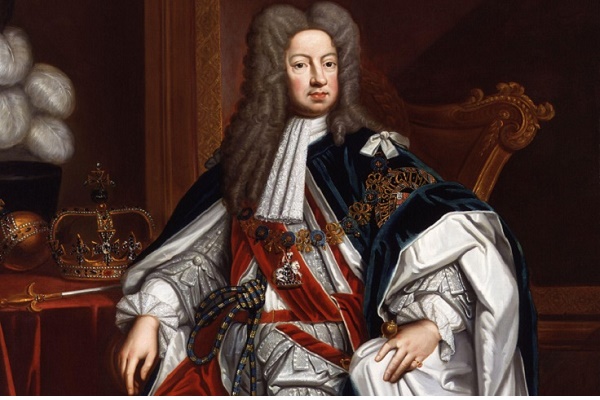
Georgian Era (1714 – 1830)
The Georgian era is a period in British history from 1714 to c. 1830–37, named after the Hanoverian kings George I, George II, George III and George IV. The sub-period that is the Regency era.
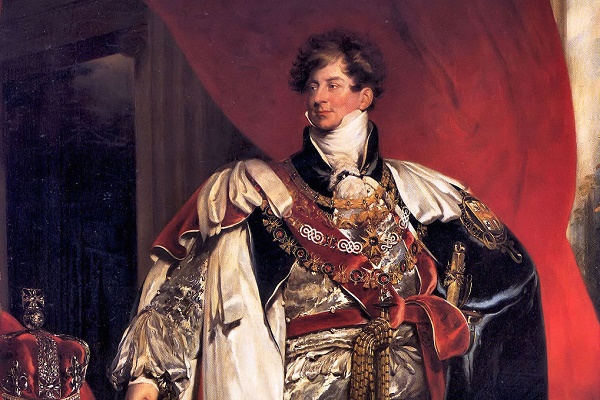
Regency Era (1811 – 1820)
Period at the end of the Georgian era, when King George III was deemed unfit to rule due to his illness, and his son ruled as his proxy, as prince regent.
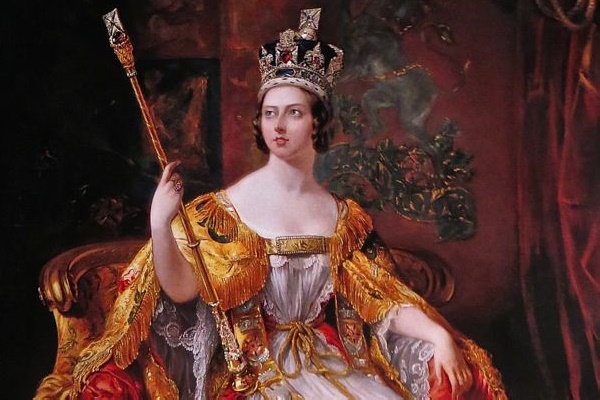
Victorian Era (1820 – 1914)
The period between approximately 1820 and 1914, corresponding roughly but not exactly to the period of Queen Victoria‘s reign (1837–1901)
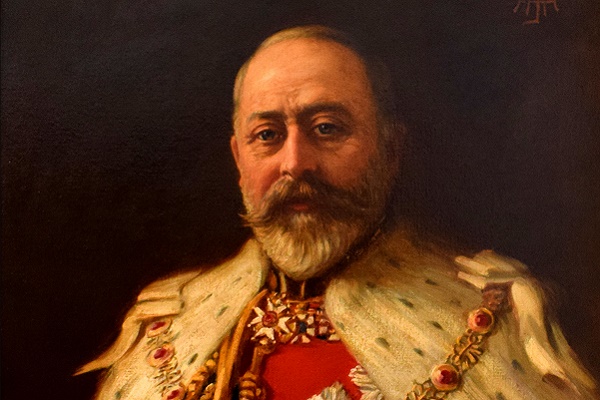
Edwardian Era (1901 – 1910)
The Edwardian period of British history spanned the reign of King Edward VII, 1901 to 1910, and is sometimes extended to the start of the First World War.
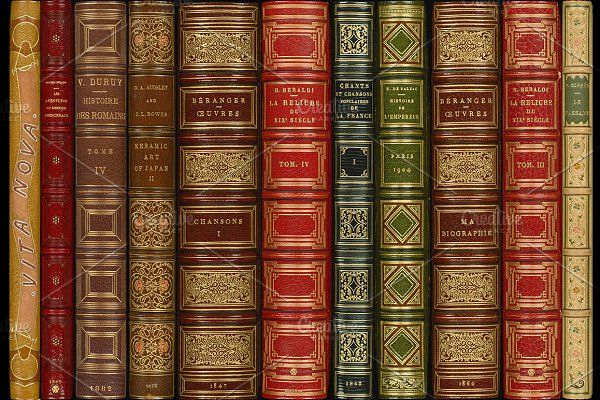
Victorian Literature & Authors
Complete list of Victorian authors including American. Analysis and summary of their works. Especially Poetry.
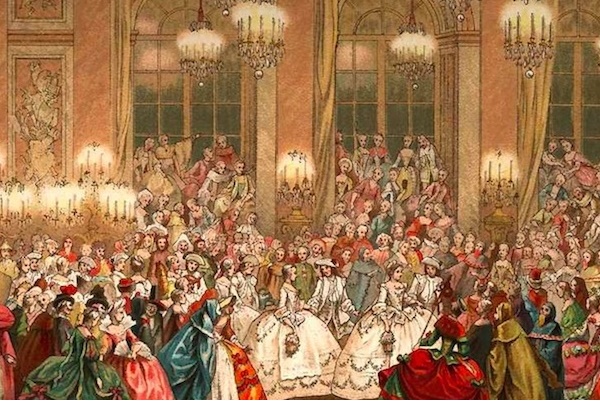
Victorian Costumes
Everything about Victorian women’s men’s, rich, poor, children, boys and girl’s costumes with pictures
What was The Victorian era? When was the Victorian era?
The victorian age is named after Victoria, who became a queen in 1837 at the age of 18 and ruled for 68 years until her death in 1901. So, the period from 1837 to 1901 is called the Victorian era.
Also, check out the ages that preceded the Victorian era – the Georgian era, the Regency era, and the Edwardian era which was after the Victorian age.
Who was the longest-serving monarch of Britain?
The current queen of the United Kingdom, Elizabeth II, has the longest reign. She broke the record of Queen Victoria on 9 September 2015.
Victoria took over at a time when the citizens of England, called Victorians, really did dislike royalty for the way things were being handled.
As well, there was simply very little respect for the throne as the relatively new way of doing things through a democratic system was still relatively fresh in thinking for the majority of the country.
See the Victorian age Timeline
How was the Victorian Era Society?
The Victorian time period is known for its hierarchy-based social order. Victorian society was class-based. You can see the various nobility titles in Britain.
Therefore, the Victorian era middle class not only lost their jobs and have to find another, but they had to compete with immigrants for work.
This drove the prices down on the wages and most poor class families struggled to even put food on the table. The wedding day in Victorian times was considered the most important day in the life of a Victorian girl.
The girls were from the very beginning had been taught to marry and to take of the family. The marriage of a girl was something very special for the mother, the soon-to-be bride, and her family.
During the Victorian era, women’s costumes underwent a major change. During the early Victorian era, the dressing style resembled the Georgian age clothing style. Victorian clothing style was linked to etiquette as well.
Check out what were the popular Victorian age last names and play with our Victorian name generator.
What are the examples of Victorian-era architecture around the world?
When people hear the word Victorian, one thing that comes to their mind is the majestic Victorian architecture.
However, it is in the reign of Queen Victoria that radical changes in architecture took place, each having its own distinct characteristics.
How were The Victorian era ethics and morality?
Victorians were known for their morality and ethical conduct. Church had an influence on the society and daily lives of people.
Why Victorian era Literature and Art are famous?
Victorian literature characteristics are a matter of study in most courses in the English language. There were several popular authors who are relevant even today. Charles Dickens, the Bronte sisters, George Eliot, Oscar Wilde, and Thomas Hardy are well known because of their work and several films based on their books.
What were the famous Victorian Era Inventions?
Several inventions during the Victorian era changed the life of humanity forever. Whether it was in the field of medicine, engineering, or transportation, these Victorian discoveries are worth looking at.
Check out information on the website using the search tool on the left. If you think some information can be added, feel free to contact us. You can also read more about the Elizabethan Era, Tudor era, and Jacobean Era.
